
Disorder
Labeling theory posits that self-identity and the behavior of individuals may be determined or influenced by the terms used to describe or classify them. It is associated with the concepts of self-fulfilling prophecy and stereotyping. Labeling theory holds that deviance is not inherent in an act, but instead focuses on the tendency of majorities to negatively label minorities or those seen as deviant from standard cultural norms.
Read more on Wikipedia →🎧 DJ sets featuring Disorder(7 total)
![KOROLOVA - Live @ Zamna Pyramids, Egypt [Melodic Techno & Progressive House Mix]](https://i.ytimg.com/vi/rGYOETkPeYQ/mqdefault.jpg)
KOROLOVA - Live @ Zamna Pyramids, Egypt [Melodic Techno & Progressive House Mix]
KOROLOVA
1 Disorder track
Nora En Pure DJ set - Miller Mix: Budapest 2025 | @beatport
Beatport
1 Disorder track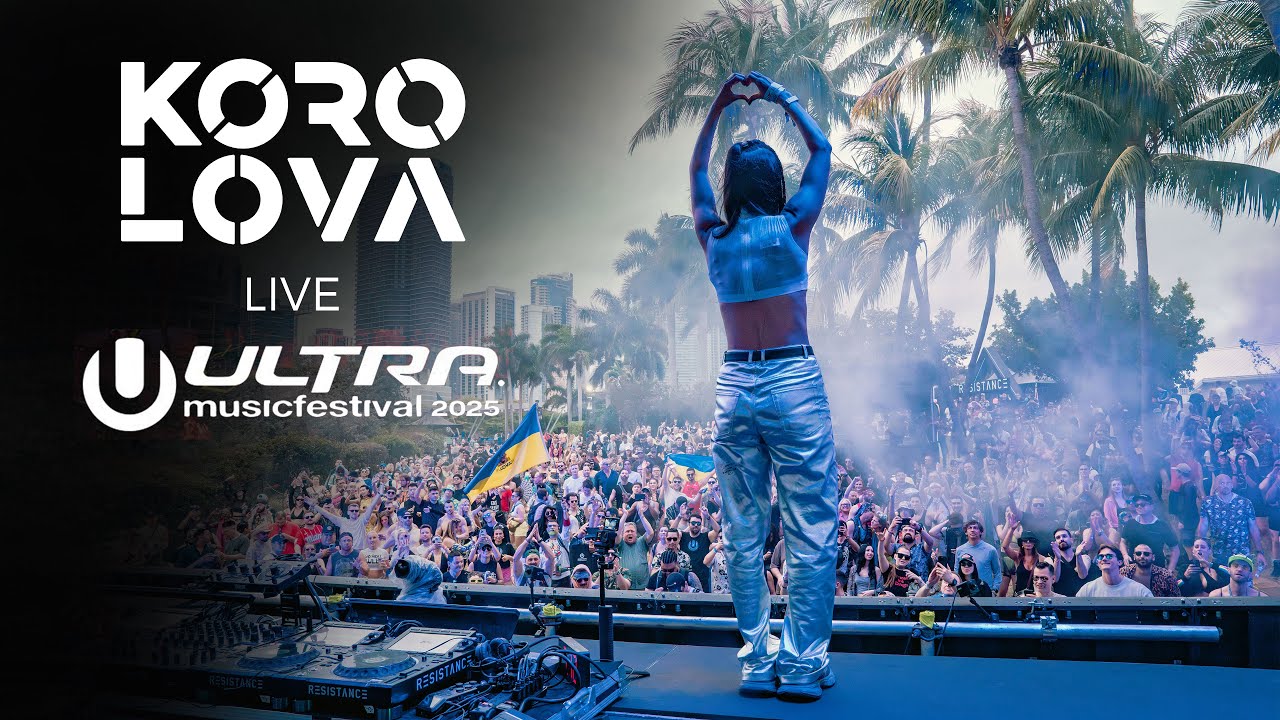
KOROLOVA @ ULTRA MUSIC FESTIVAL MIAMI 2025
KOROLOVA
1 Disorder track![19:26 @ Zamna Tulum NYE 2025 [Full 4K Set]](https://i.ytimg.com/vi/z45Y8gzoEQ4/maxresdefault.jpg)
19:26 @ Zamna Tulum NYE 2025 [Full 4K Set]
19:26music
1 Disorder track
MELODIC TECHNO & HOUSE | ARTBAT, TIESTO, JOHN SUMMIT, ARGY, SWEDISH HOUSE MAFIA, MASSANO, CAMELPHAT
PaulLoggen
1 Disorder track
MELODIC TECHNO MIX 2025 (Anyma, Argy, John Summit, Massano, ARTBAT) / LIVE DJ SET by JOANSON
Joanson
1 Disorder track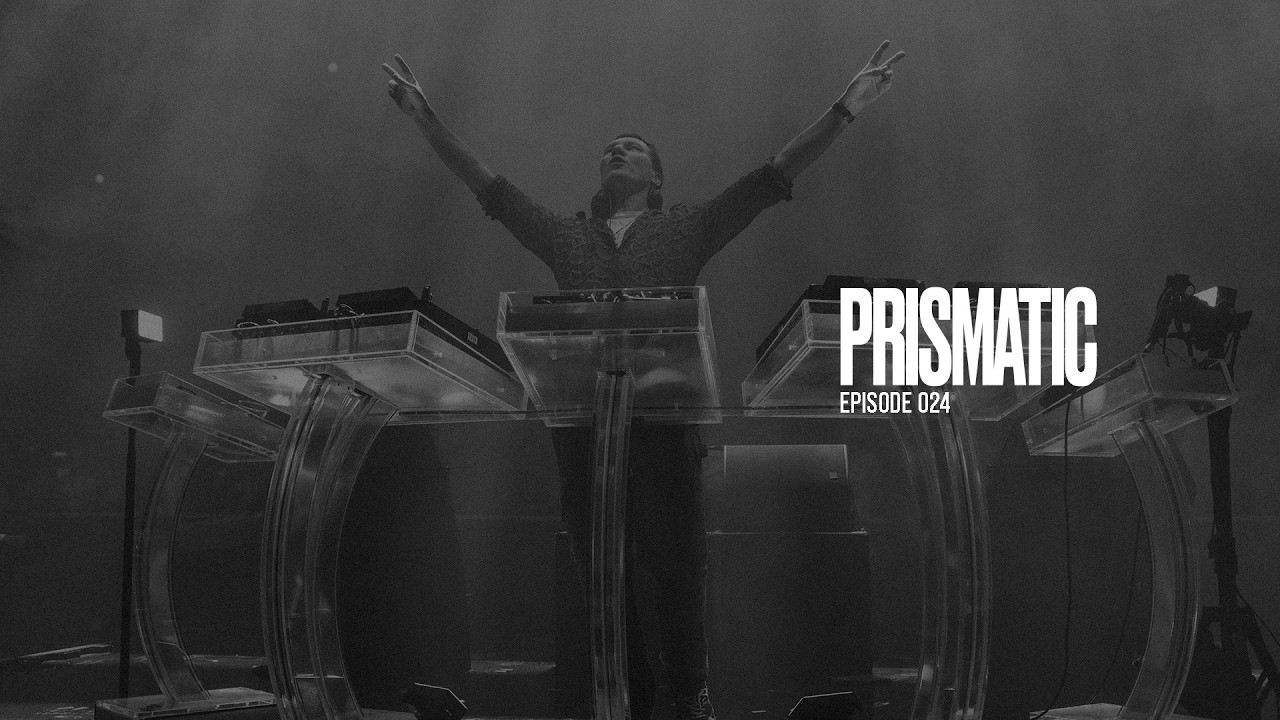
PRISMATIC by Tiësto 024
Tiësto
1 Disorder trackTop tracks on Disorder(4 total)


About Disorder on Mixprism
What is Disorder?▾
What are the most played Disorder tracks in DJ sets?▾
What BPM does Disorder music typically use?▾
Editorial notice — This label profile is an automated editorial index based on publicly available DJ set data. AI-generated summaries are informational only and not endorsed by or affiliated with Disorder. All trademarks belong to their respective owners. Request data removal →